Claiming Compensation for PTSD and Riding Anxiety After a Bike Crash: A Complete Legal Guide
The physical scars of a bicycle accident often heal faster than the invisible ones. If you’ve recently been struck by a vehicle while riding, you understand the immediate physical trauma: the road rash, the fractures, the agonizing recovery. But what happens when the bones mend, yet the thought of getting back on a saddle fills you with paralyzing dread?
For many cyclists, a crash isn’t just an impact; it’s a traumatic event that shatters their sense of safety. You might be struggling with flashbacks, debilitating anxiety, or diagnosed Post-Traumatic Stress Disorder (PTSD). While you’re battling these invisible demons, the medical bills for therapy are piling up, and the insurance company is treating your profound psychological distress as an “exaggeration.” They want to settle quickly, offering pennies on the dollar for your physical injuries while completely ignoring the mental anguish that has fundamentally altered your life.
You do not have to accept this. Emotional distress, including PTSD and riding anxiety, are legitimate, compensable damages under personal injury law. This definitive guide will empower you to understand your legal rights, decode the tactics insurance adjusters use to diminish mental health claims, and outline the precise steps needed to secure the comprehensive compensation you deserve for all your injuries—both seen and unseen.
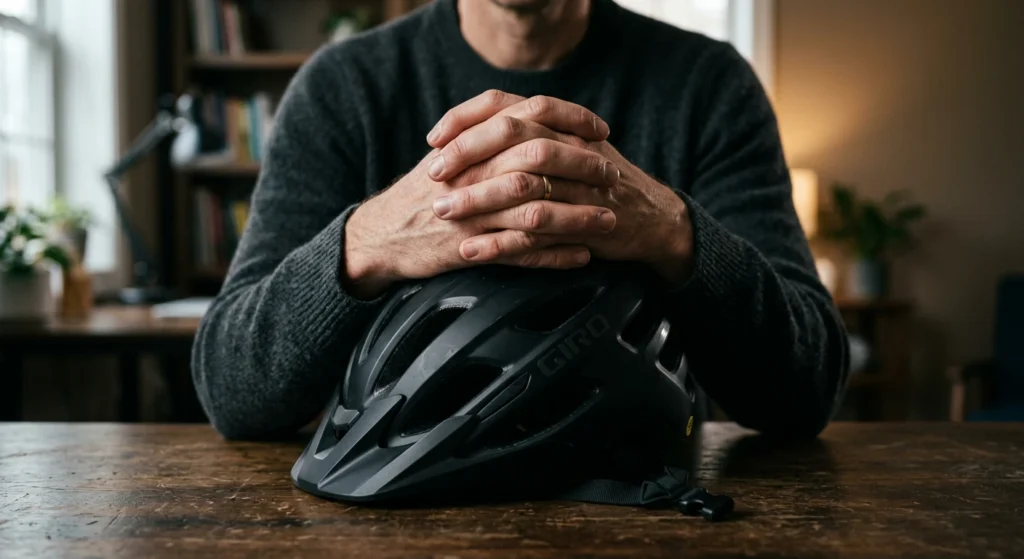
The Invisible Injuries: Understanding PTSD and Riding Anxiety
When a two-ton vehicle collides with a cyclist, the vulnerability is absolute. The psychological shockwave of that moment can manifest in severe, long-lasting mental health conditions.
Post-Traumatic Stress Disorder (PTSD) in Cyclists
PTSD is not limited to combat veterans. It is a recognized psychiatric disorder that can occur in people who have experienced or witnessed a traumatic event, such as a severe traffic collision. For a cyclist, PTSD might manifest as:
- Intrusive Memories: Uncontrollable flashbacks to the moment of impact.
- Avoidance: Completely avoiding bicycles, the route where the accident occurred, or even busy roads in general.
- Hyperarousal: Feeling constantly on edge, easily startled, or struggling with severe insomnia.
- Negative Changes in Mood: Persistent feelings of fear, anger, guilt, or emotional numbness.
Debilitating Riding Anxiety (Amaxophobia)
Even if your symptoms don’t meet the clinical criteria for PTSD, severe riding anxiety is a profound loss. If cycling was your primary mode of transport, your exercise, or your passion, losing the ability to ride due to overwhelming fear represents a significant diminishment of your quality of life. This loss of enjoyment is a compensable damage.
Determining Liability and Negligence in Psychological Claims
To claim compensation for PTSD or riding anxiety, we must first establish that another party’s negligence caused the accident that led to your trauma.
The Chain of Causation
In legal terms, proving liability requires establishing a direct link between the at-fault driver’s actions and your psychological injuries. We must prove four elements:
- Duty of Care: The driver had a legal obligation to operate their vehicle safely and share the road with cyclists.
- Breach of Duty: The driver failed in this obligation (e.g., texting, speeding, failing to yield, making an unsafe pass).
- Causation: The driver’s specific breach directly caused the collision.
- Damages: You suffered demonstrable losses (physical injuries and resulting psychological trauma).
The “Eggshell Skull” Rule
Insurance companies often argue that a victim is “overreacting” or had pre-existing mental health vulnerabilities. The law protects you here through the “Eggshell Skull” doctrine. This legal principle states that a negligent party takes their victim as they find them.
If you had a pre-existing anxiety disorder that was severely exacerbated by the crash, the at-fault driver is still liable for that worsening condition. They cannot escape liability simply because you were more susceptible to psychological trauma than someone else might be.
Calculating Economic and Non-Economic Damages
When pursuing a personal injury claim involving PTSD, your compensation is generally divided into two categories: economic and non-economic damages.
Economic Damages: The Quantifiable Losses
These are the out-of-pocket expenses directly related to your psychological care. They are objective and calculable:
- Psychiatric and Psychological Therapy: Costs for sessions with trauma counselors, cognitive behavioral therapists (CBT), or EMDR specialists.
- Medication: Prescription costs for anti-anxiety or antidepressant medications prescribed as a result of the crash.
- Lost Wages: Income lost if your PTSD prevents you from working or requires you to take time off for intensive therapy.
- Future Medical Care: Projected costs for ongoing mental health treatment if your condition is chronic.
Non-Economic Damages: Valuing the Invaluable
This is where claiming compensation for PTSD and riding anxiety becomes complex—and where an elite attorney proves their worth. Non-economic damages compensate you for subjective, intangible losses:
- Pain and Suffering: The sheer mental anguish and emotional distress you endure daily.
- Loss of Enjoyment of Life: Compensation for losing the ability to participate in activities you once loved, such as cycling, racing, or weekend group rides.
- Loss of Consortium: If your emotional trauma has severely impacted your relationship with your spouse or partner.
The Multiplier Method
To calculate non-economic damages, insurance adjusters and attorneys often use a multiplier method. They take your total economic damages and multiply them by a number (typically between 1.5 and 5) based on the severity of your injuries. Severe PTSD that completely derails your life warrants a much higher multiplier than temporary, mild anxiety.
Navigating Insurance Company Tactics
Insurance adjusters are trained negotiators whose primary goal is to protect their company’s bottom line. They are highly skeptical of psychological injuries because they cannot be proven with an X-ray. Be prepared for aggressive tactics designed to minimize your claim.
Tactic 1: The “Delay and Deny” Strategy
Adjusters often drag their feet when reviewing claims involving non-economic damages, hoping you will become desperate as medical bills mount and accept a lowball offer. They may outright deny the psychological component, claiming it’s unrelated to the physical crash.
Tactic 2: Weaponizing Your Medical Records
The insurance company will demand broad access to your medical history. They are looking for any past mention of stress, anxiety, or depression to argue that your current PTSD is a pre-existing condition, not a result of the accident.
Always consult an attorney before signing a medical release form. We ensure they only access records directly relevant to the crash.
Tactic 3: Surveillance and Social Media Scrutiny
Adjusters may monitor your social media or even hire private investigators. If you claim you have severe riding anxiety but post a photo of yourself smiling next to a bicycle (even if you were just moving it in your garage), they will use that image to destroy your credibility.
Building an Ironclad Case for Psychological Damages
To defeat these tactics and secure maximum compensation, you need compelling, undeniable evidence of your emotional distress.
1. Official Medical Diagnoses
A self-diagnosis of PTSD is legally insufficient. You must seek treatment from a qualified mental health professional (psychiatrist or licensed psychologist) who can provide a formal, documented diagnosis using DSM-5 criteria.
2. Consistent Treatment Records
Gaps in your mental health treatment are fatal to your claim. You must attend all therapy sessions and adhere to your prescribed treatment plan. Consistent records demonstrate that your distress is ongoing and requires professional intervention.
3. The Power of a “Pain Journal”
Document your daily struggles. Write down when you experience flashbacks, how your sleep is disrupted, and specific instances where your riding anxiety prevented you from living normally. This contemporaneous record provides powerful, subjective evidence of your daily suffering.
4. Expert Witness Testimony
In complex cases, we utilize psychiatric expert witnesses. These specialists can testify regarding the severe impact of your PTSD, explain how it stems directly from the crash, and outline your prognosis and future care needs to a judge or jury.

Frequently Asked Questions (FAQs)
Can I sue for PTSD if I wasn’t physically injured in the bike crash?
Yes, but it is significantly harder. Most jurisdictions refer to this as “Negligent Infliction of Emotional Distress.” To win without physical injury, you typically must prove you were in the “zone of danger” (immediate risk of physical harm) and that your resulting PTSD manifests in measurable physical symptoms (like severe weight loss or chronic insomnia).
How much compensation can I get for riding anxiety?
There is no average settlement, as compensation depends entirely on the severity of your anxiety and its impact on your life. A casual rider might receive less than someone who commuted by bike daily or competed professionally. Settlements for severe, life-altering PTSD combined with physical injuries can reach into the hundreds of thousands or even millions of dollars.
How long do I have to file a claim for emotional distress?
The timeframe is dictated by your state or country’s Statute of Limitations for personal injury claims. This is typically between one and three years from the date of the accident. However, because PTSD symptoms can sometimes take months to manifest, it is crucial to consult an attorney immediately to ensure you don’t miss critical deadlines.
Will I have to go to court to get compensation for PTSD?
Not necessarily. Most personal injury claims, even those involving complex psychological damages, are settled out of court through aggressive negotiation. However, if the insurance company refuses to offer a fair settlement that accounts for your mental trauma, your attorney must be prepared to take the case to trial.
How do I prove my riding anxiety is real to an insurance adjuster?
You prove it through exhaustive documentation: a formal diagnosis from a psychiatrist, consistent therapy records, prescribed medications, statements from friends and family regarding changes in your behavior, and a detailed daily journal documenting your specific struggles and limitations.
Conclusion: Reclaiming Your Life and Your Rights
Surviving a bicycle crash is a profound trauma; the aftermath shouldn’t be another battle you have to fight alone. PTSD and riding anxiety are not signs of weakness; they are severe, physiological responses to a life-threatening event. The insurance companies will try to gaslight you, minimize your suffering, and protect their profits at your expense.
You must level the playing field. Protecting your legal rights requires immediate action to preserve evidence and secure a comprehensive medical evaluation for both your physical and psychological injuries.
Don’t let the insurance company dictate the value of your peace of mind. Contact our firm today for a free, confidential case evaluation. We will handle the aggressive adjusters and the complex legal filings, allowing you to focus on what truly matters: your recovery and finding your way back to the life you loved.
Disclaimer: The content provided in this article is for informational and educational purposes only and does not constitute formal legal advice. Reading this article or contacting our firm through this website does not create an attorney-client relationship. Personal injury laws vary significantly by jurisdiction, and the statute of limitations can strictly limit your time to file a claim. You should always consult with a licensed, qualified attorney in your specific state or country regarding the unique facts of your case before making any legal decisions.