Choosing the Best Siding Contractors for Office Buildings
Exploring the world of siding contractors for office buildings, this introduction aims to captivate readers with insightful information and guidance on making the right choices. From selecting reputable contractors to understanding different siding materials, this overview sets the stage for a comprehensive discussion.
As we delve deeper into the realm of siding contractors for office buildings, we unravel the complexities and nuances involved in this crucial decision-making process.
How to Choose the Right Siding Contractors for Office Buildings
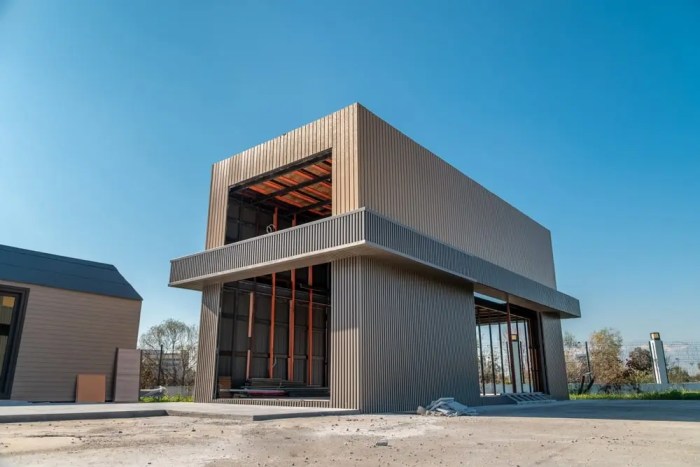
When it comes to selecting siding contractors for office buildings, there are several important factors to consider to ensure a successful project.
Check Credentials, Experience, and References
It is crucial to verify the credentials, experience, and references of potential siding contractors before making a decision. This step helps to ensure that you are hiring qualified professionals who have the necessary expertise to handle the job effectively.
- Check for valid licenses, insurance, and certifications to confirm that the contractors meet industry standards and regulations.
- Review the contractor’s experience in handling similar projects to assess their competency and familiarity with office building requirements.
- Ask for references from past clients to get feedback on the contractor’s performance, reliability, and quality of work.
Obtain Multiple Quotes and Compare Services Offered
Getting quotes from multiple siding contractors and comparing the services offered is essential to make an informed decision and find the best fit for your office building project.
- Request detailed quotes from different contractors, including the scope of work, materials used, timeline, and cost breakdown.
- Compare the services offered by each contractor, such as warranty coverage, maintenance plans, and additional services like design consultations or customization options.
- Avoid choosing solely based on price; consider the overall value, quality of work, and reputation of the contractor in addition to the cost.
Different Types of Siding Materials Suitable for Office Buildings

When it comes to choosing siding materials for office buildings, it’s essential to consider factors such as durability, maintenance requirements, and aesthetic appeal. Let’s explore some of the common types of siding materials used for office buildings and how they compare in these aspects.
Vinyl Siding
Vinyl siding is a popular choice for office buildings due to its affordability, low maintenance requirements, and wide range of colors and styles. It is durable and resistant to rot, fading, and insect damage, making it a long-lasting option for office exteriors.
Many office buildings opt for vinyl siding for its cost-effectiveness and versatility.
Brick Siding
Brick siding is known for its classic and elegant look, making it a preferred choice for many upscale office buildings. While brick siding requires little maintenance and is highly durable, it can be more expensive than other siding materials. However, the timeless appeal and longevity of brick siding often make it a worthwhile investment for office buildings looking to make a statement.
Metal Siding
Metal siding, such as steel or aluminum, offers excellent durability and low maintenance requirements for office buildings. It is resistant to fire, rot, and insect damage, making it a practical choice for commercial properties. Metal siding is also available in a variety of colors and finishes, allowing for customization to suit the aesthetic preferences of different office buildings.
Wood Siding
Wood siding provides a natural and warm look to office buildings, adding a touch of sophistication and charm. While wood siding requires more maintenance than other materials to prevent rot and insect damage, it can be a sustainable and eco-friendly choice for office exteriors.
Many office buildings opt for wood siding to create a unique and inviting facade.
Fiber Cement Siding
Fiber cement siding is a versatile and durable option for office buildings, offering the look of wood without the maintenance requirements. It is resistant to fire, rot, and insect damage, making it a practical choice for commercial properties. Fiber cement siding is available in a variety of textures and colors, providing office buildings with a modern and stylish appearance.Consider these factors when choosing siding materials for your office building to ensure a facade that is not only aesthetically pleasing but also durable and low-maintenance.
Cost Considerations when Hiring Siding Contractors for Office Buildings

When considering a siding project for an office building, it is essential to take into account the various cost factors involved. Understanding the typical cost considerations can help you budget effectively and make informed decisions throughout the project.
Factors Affecting the Cost of Hiring Siding Contractors
- The Size of the Building: Larger office buildings will naturally require more materials and labor, leading to higher costs compared to smaller buildings.
- Chosen Materials: The type of siding material selected will greatly impact the overall cost. High-end materials like natural stone or wood may be more expensive than vinyl or fiber cement.
- Additional Services Required: If additional services such as insulation installation, painting, or repairs are needed, these will add to the overall cost of the project.
Tips for Budgeting Effectively
- Get Multiple Quotes: Obtain quotes from several reputable siding contractors to compare prices and services offered. This will help you find the best value for your budget.
- Set a Realistic Budget: Determine how much you are willing to spend on the siding project and stick to that budget. Consider allocating a contingency fund for unexpected expenses.
- Prioritize Needs vs. Wants: Identify must-have features versus nice-to-have upgrades to ensure you stay within your budget constraints.
- Plan Ahead: Proper planning and scheduling can help prevent cost overruns and delays, ensuring a smoother and more cost-effective siding project.
Importance of Proper Installation Techniques for Siding on Office Buildings

Proper installation techniques play a crucial role in ensuring the longevity and performance of siding on office buildings. By following correct procedures during installation, you can prevent future issues and maintain the aesthetic appeal of the building.
Steps Involved in Correct Installation of Siding Materials
- Prepare the surface: Ensure the surface where the siding will be installed is clean, smooth, and free of any debris or damage.
- Measure and cut accurately: Precise measurements and cutting of siding materials are essential to ensure a proper fit and finish.
- Secure the siding: Use appropriate fasteners and techniques to securely attach the siding to the building, considering factors like weather conditions and building structure.
- Seal and caulk: Properly seal joints and edges to prevent water infiltration and ensure the siding’s durability over time.
- Follow manufacturer’s instructions: Adhere to the guidelines provided by the siding material manufacturer to ensure proper installation and warranty coverage.
Common Mistakes to Avoid During Siding Installation
- Improper surface preparation: Failing to clean or repair the surface before installation can lead to adhesion issues and premature siding failure.
- Incorrect measurements: Inaccurate measurements can result in gaps, overlaps, or misalignment of siding panels, affecting the overall look and performance.
- Using the wrong fasteners: Using the wrong type or size of fasteners can compromise the integrity of the siding and lead to loosening or damage over time.
- Skipping sealing and caulking: Neglecting to seal joints and edges can allow water intrusion, leading to moisture damage and mold growth behind the siding.
- Ignoring manufacturer’s instructions: Not following the manufacturer’s recommended installation guidelines can void warranties and result in subpar performance of the siding.
Last Word

In essence, the journey through siding contractors for office buildings has been one of discovery and enlightenment. By understanding the key factors, materials, costs, and installation techniques, you are better equipped to make informed decisions for your office building projects.
Commonly Asked Questions
How important is checking credentials when choosing siding contractors?
Checking credentials is crucial as it helps ensure the contractor’s legitimacy and expertise in handling office building projects.
What are some common types of siding materials used for office buildings?
Common siding materials include vinyl, wood, fiber cement, and metal, each with its own set of pros and cons.
How can one effectively budget for a siding project for an office building?
Effective budgeting involves understanding the cost factors, setting priorities, and getting multiple quotes to compare prices and services.
Why is proper installation crucial for the longevity of siding on office buildings?
Proper installation ensures that the siding materials perform optimally and withstand the elements, prolonging the lifespan of the building’s exterior.
What are some common mistakes to avoid during the siding installation process?
Common mistakes include improper measurements, inadequate surface preparation, and using incorrect installation techniques, which can lead to issues down the line.